Hunting in the Durango Backcountry
There's something special about heading into the Southwest Colorado backcountry before sunrise and watching the first light filter through trees or taking in the stillness of the scenery after a rain cloud passes through. It's a tradition that has connected generations of hunters to the region's land and wildlife.
For those on the hunt for resources about hunting in Durango, Colorado, there is a lot of into to take in. The San Juans offer a range of species from small to large and have miles of public land with access roads out the wazoo. This “How To” guide not only provides resources on where to get started when planning your hunting trip, it points you in the right direction on how to keep these shared landscapes preserved for decades of hunters to come.
Planning a Hunting Trip Near Durango
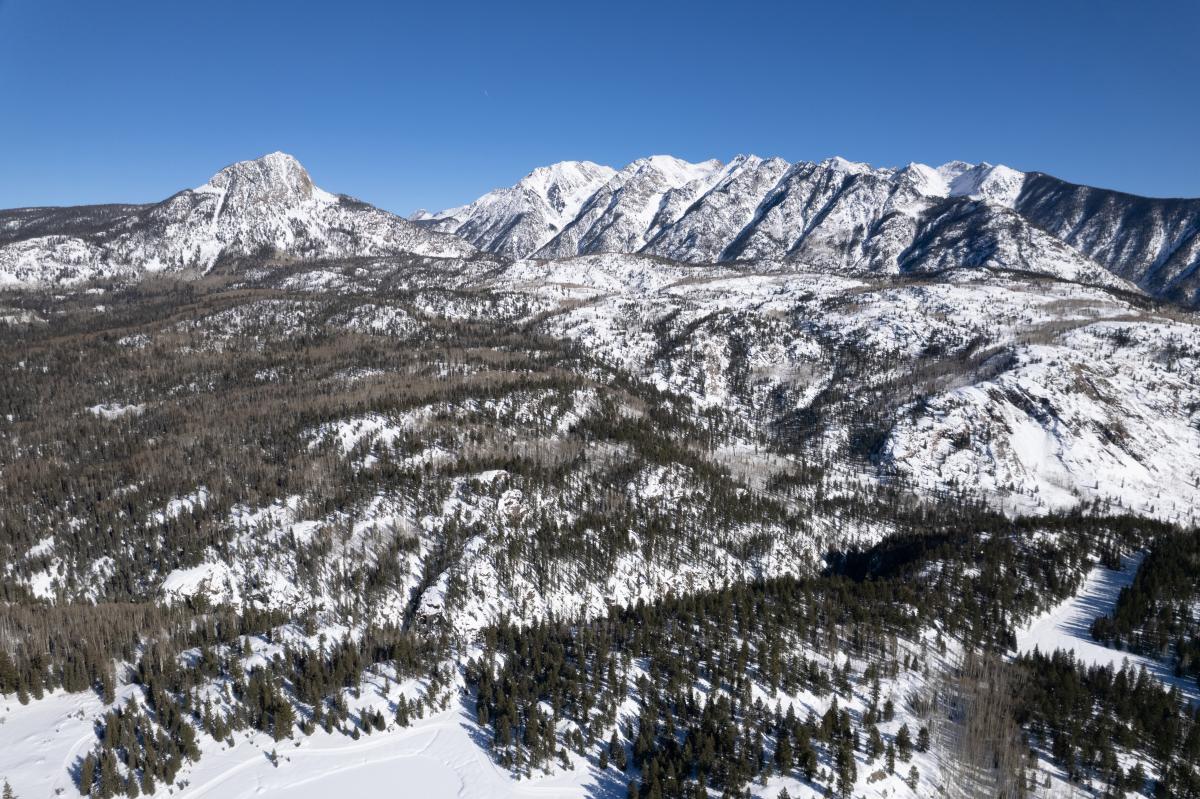
A good hunting trip starts long before you hit the trail. Southwest Colorado is home to elk, mule deer, black bear, wild turkey, and other game species, but knowing where to go and when to hunt takes some planning.
Before packing your gear, explore the resources available through Colorado Parks and Wildlife (CPW). Hunting seasons, license requirements, and available tags vary by species and Game Management Unit (GMU), so it's worth getting familiar with your intended hunting area using the Colorado Hunting Atlas and CPW’s Where to Hunt resource page. With some licenses you must get lucky and draw them from a lottery system, but with others you can buy them over the counter.
Land access is another important piece of the puzzle. The San Juan National Forest and surrounding Bureau of Land Management lands offer extensive hunting opportunities, but not every road, trail, or parcel is open to public access. Before heading out and realizing the road is closed, check current maps, property boundaries, and seasonal closures on the San Juan National Forest website and Colorado Parks and Wildlife’s mapping resources.
Hunting Responsibly on Southwest Colorado's Public Lands
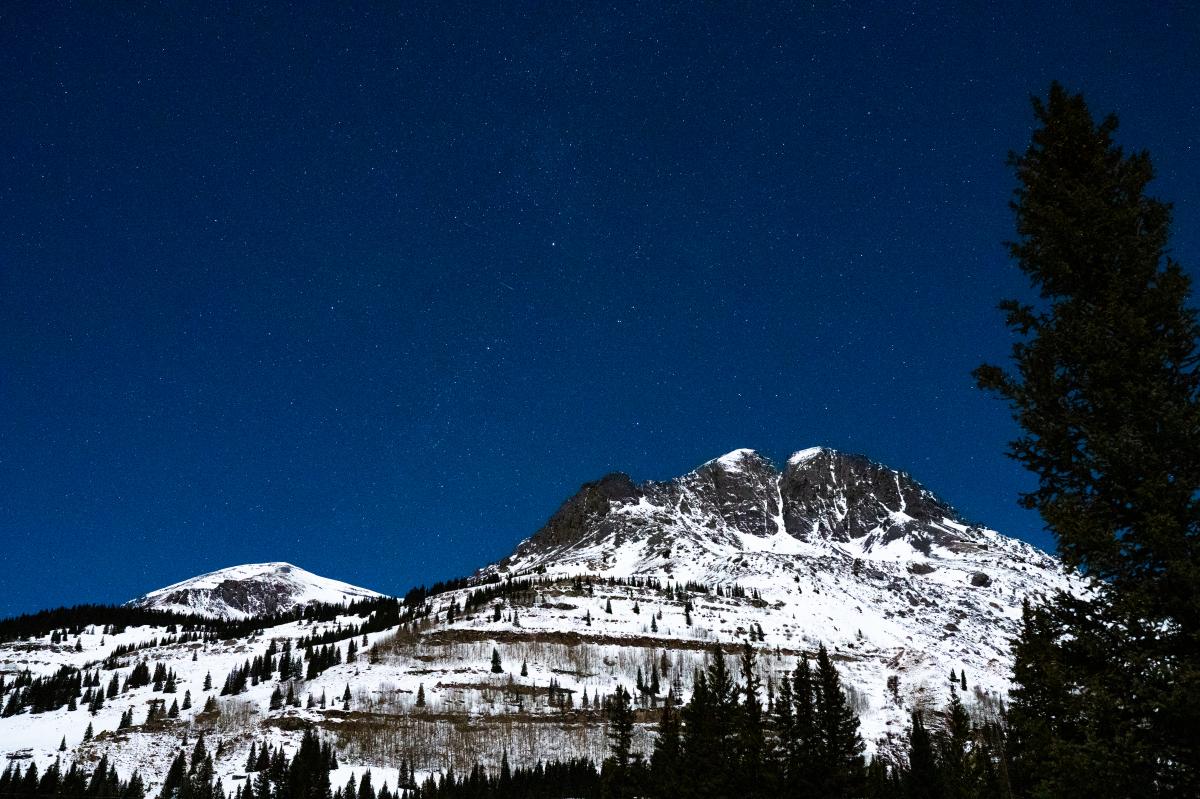
Southwest Colorado's public lands are extensive and a huge reason why hunting in the area is so fun. Terrain in the San Juan National Forest varies from high-elevation forests near Missionary Ridge to secluded valleys deep past Molas Pass. These landscapes support a huge range of wildlife and are delicate ecosystems, so keeping them healthy is a responsibility shared by everyone who ventures outdoors, hunter or hiker.
Protecting these places is simple. Stay on motorized routes designated on the San Juan National Forest Motor Use Map, respect seasonal closures, and choose campsites that won't damage surrounding vegetation. When traveling on foot, stick to established trails or durable surfaces when practical. And please for the love of the land, don’t feed or approach the wildlife.
The San Juan Mountains Association (SJMA) is a great local resource for learning how to recreate responsibly in the San Juan Mountains. Through stewardship programs, Leave No Trace (LNT) education, and boots on the ground work, SJMA helps visitors understand how their everyday decisions can affect the wild world out there.
Packing out trash, spent cartridges, and other waste may seem like small habits, but they make a meaningful difference. When you take care of the backcountry you help preserve the landscape for the human and non-human creatures that call it home.
Ethical Hunting, Field Skills, and Conservation
Sometimes things in the backcountry don’t go to plan, so staying flexible should be an easy target. Weather changes, animals move, and sometimes the best decision is to head home without taking a shot. Knowing when to take an opportunity and when to pass one up is part of becoming a better hunter.
Good field skills start with knowing your equipment, practicing your marksmanship at local firing ranges such as the Bayfield Lions Club Shooting Range, and being able to confidently identify the animal you're pursuing. For visiting hunters, practicing values like LNT and respecting the environment as well as the animal's life, are ways to contribute to the region's hunting heritage.
It's also worth thinking about what happens after a successful harvest. Knowing how to field-dress game, handle meat safely, and transport your harvest is especially important when hunting miles from the nearest road. In Southwest Colorado's steep terrain, getting an animal out of the backcountry can be just as demanding as the trek you took to find it. If wounded game crosses onto private property from public land, hunters must first obtain permission before entering the property to pursue it.
Healthy wildlife populations, accessible public lands, and strong hunting traditions continue when people who care about these things educate others and practice what they preach. Organizations like Backcountry Hunters & Anglers (BHA) help keep values at the center of the conversation. Through its work in Colorado, including Southwest Colorado, BHA advocates for public-land access, healthy wildlife habitat, and the continuation of hunting and fishing traditions.
Essential Tips for a Safe, Legal, and Low-Impact Hunt

Conditions deep in the pine forests of the San Juan backcountry can change at the drop of a hat, making preparation essential for any hunting trip. Before heading out, review the latest Colorado hunting regulations, confirm your license through CPW’s account system or using the MyColorado Mobile App and check permitted hunting area plus land-access restrictions. Don’t get caught without the proper license, that means fines and even jail time.
Pack that extra layer just in case, as well navigation tools, a first-aid kit, emergency supplies, and enough food and water for unexpected delays. Tell someone your planned route and expected return time, especially when traveling into areas that might not have cell service.
Be a respectful steward of the land by following San Juan National Forest fire restrictions, disposing of waste properly, and meeting applicable hunter-orange or hunter-pink clothing requirements. If you are dressed in plain clothes, you might blend in with the surrounding forest. Wearing bright colors makes you more visible to hunters, plus you should always wear bright clothing when you are out in the backcountry so rescue teams can spot you easier,
Protecting the Tradition for Future Generations
For many hunters, the best memories go beyond a good shot and a harvest. They're the moments in the forest that cause you to relax your muscles and smell the sweet pine-scented air. Hunting in the San Juan Mountains offers plenty of opportunities to make memories with your friends and family, and responsible hunting helps keep that tradition alive for future generations.
Planning your next hunting trip to Southwest Colorado? Explore Visit Durango's trip-planning resources for places to stay, local tips, and everything you need to make the most of your time in Durango, both in and out of the backcountry.