A Birder’s Oasis
Do you insist on bringing your binoculars every time you go out? Is there a certain kind of “feather fever” that makes you glance at fence posts, telephone lines, and treetops?
If you have responded “yes” to both these questions, then birding in Southwest Colorado will feel like being a kid in a candy store. The mix of desert, wetland, and mountain landscapes welcomes birds of all kinds. If you’re planning a Big Year in Colorado, there’s a strong chance your route eventually leads to Durango.
What is a Big Year?
Birding is rife with lingo that can be confusing at first glance. In the birding world, a “Big Year” is the ultimate personal challenge: spotting as many bird species as possible within a single calendar year. A Big Year can turn every hike, road, trip, and sunrise on the porch into a bird I-Spy.
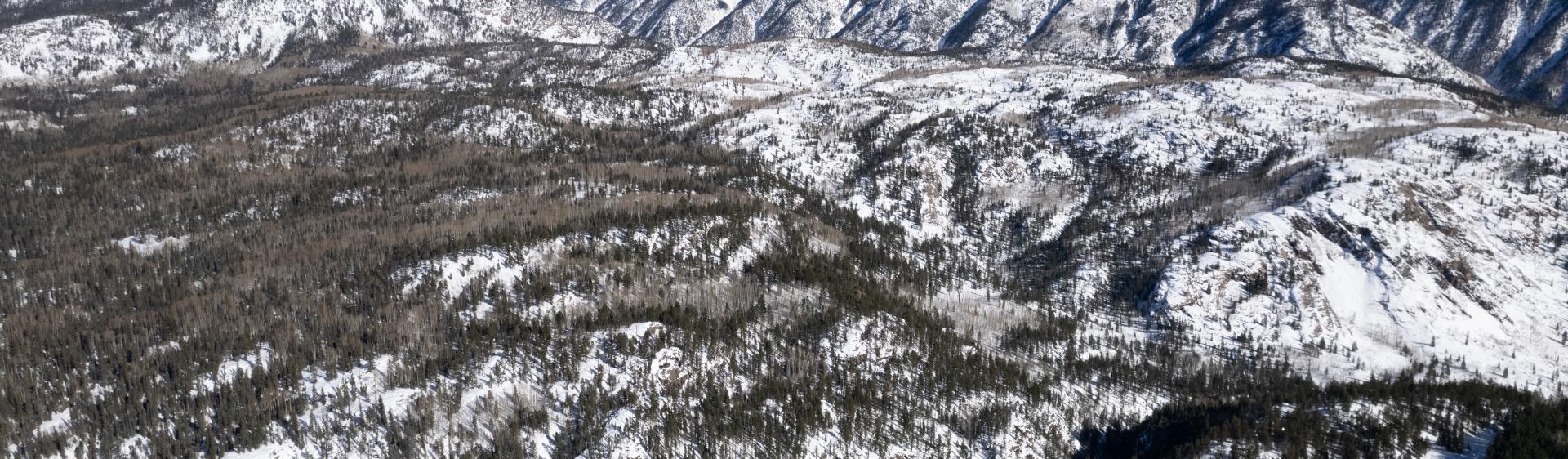
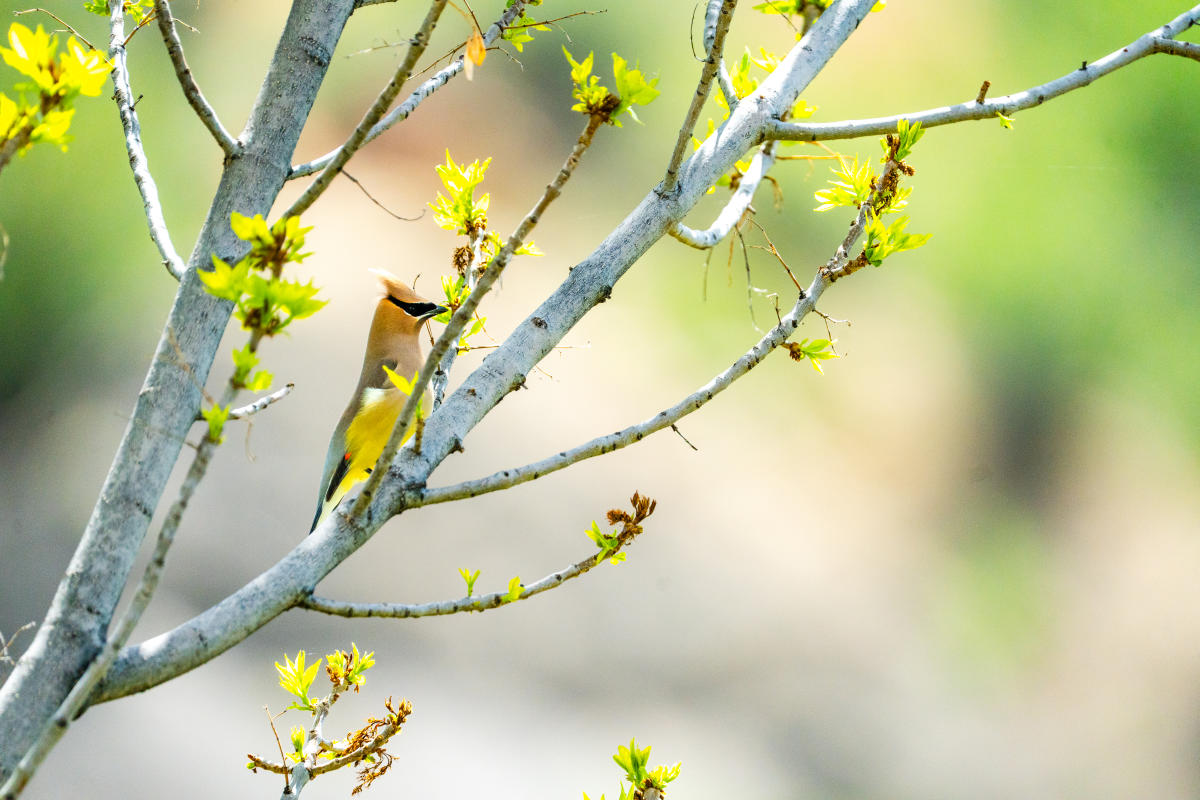
In Durango, the ecosystems stack together. Alpine peaks rise above ponderosa forests, cottonwood rivers cut through mesas, and rivers run through remote stretches and easily accessible spots. Within a single day, you can catch a Cedar Waxwing on a high-elevation hike and a Common Merganser on the Animas River Trail. Birding in Durango, Colorado, means you encounter species that rarely share the same checklist elsewhere.
Sunrise Along the Animas River
 A morning birding in Durango might start out along the Animas River. Before the coffee shops open, the river corridor becomes a chatty corner of the city. Yellow Warblers sing while Belted Kingfishers flit across the water. As you walk the Animas River Trail, American Dippers bob along (they love to hang out near 29th Street Park) and eagles fly overhead.
The Animas River Trail along the river corridor makes for one of the best birding spots in Colorado. Birds range from chatty songbirds, soaring predatory birds, to waterfowl galore. Plus, it’s a hop, skip, and a jump from downtown.
At one end of the river trail sits Oxbow Park and Preserve, which is also a popular local hotspot teeming with avian activity. This expansive recreation area follows the Animas River as it meanders into town. The trails are well kept, and with new trail access, there are even more spots to see spectacular birds. Just a few weeks ago, a Great Horned Owl was spotted at the preserve!
Into the Desert
Over rolling hills toward sagebrush country sits Mesa Verde National Park. At every pullout, there is a chance to see Pinyon Jays, Dark-Eyed Juncos, or Yellow-Rumped Warblers hiding in the oak brush. That soft call you hear might be Western Warbling Vireo, a species many Colorado birders spend years trying to find consistently.
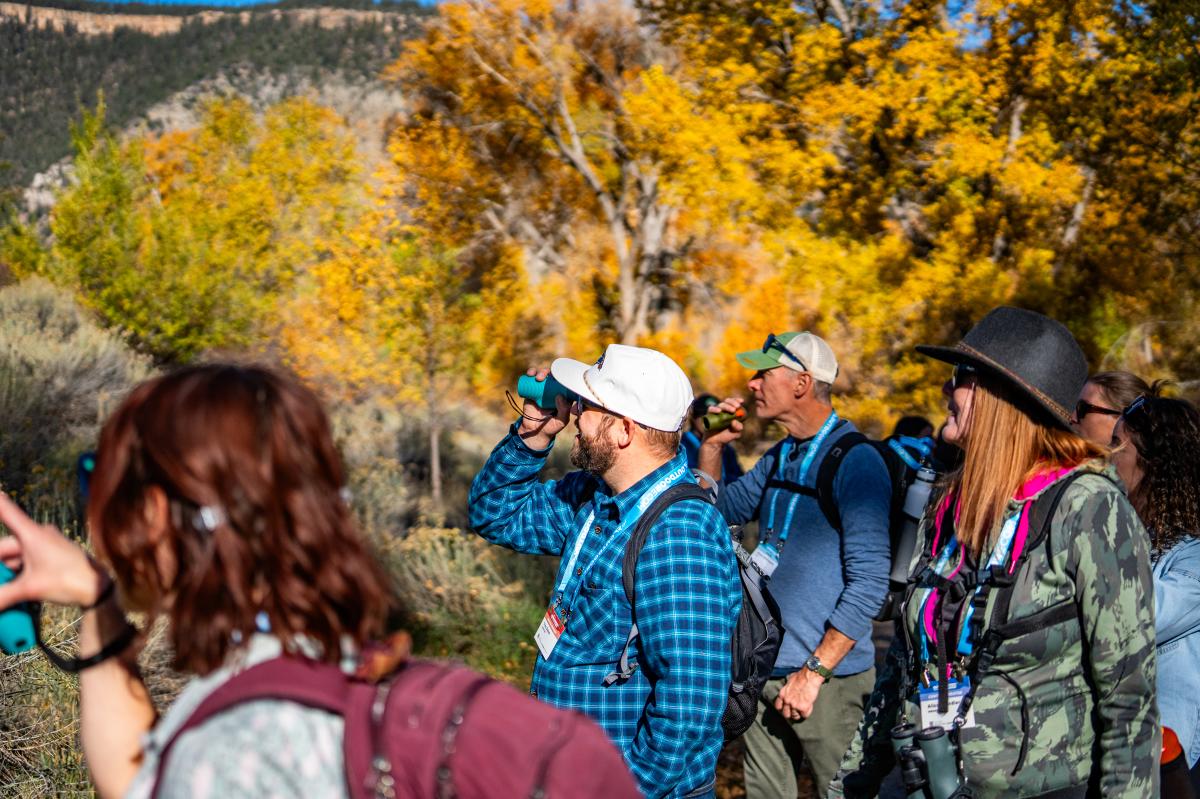
Wildlife viewing in Colorado is an important part of the community. The Durango Bird Club hosts group walks, special events, and educational talks. And from April to October, Mesa Verde National Park hosts free monthly birding programs for all.
Chasing Rare Birds in Colorado
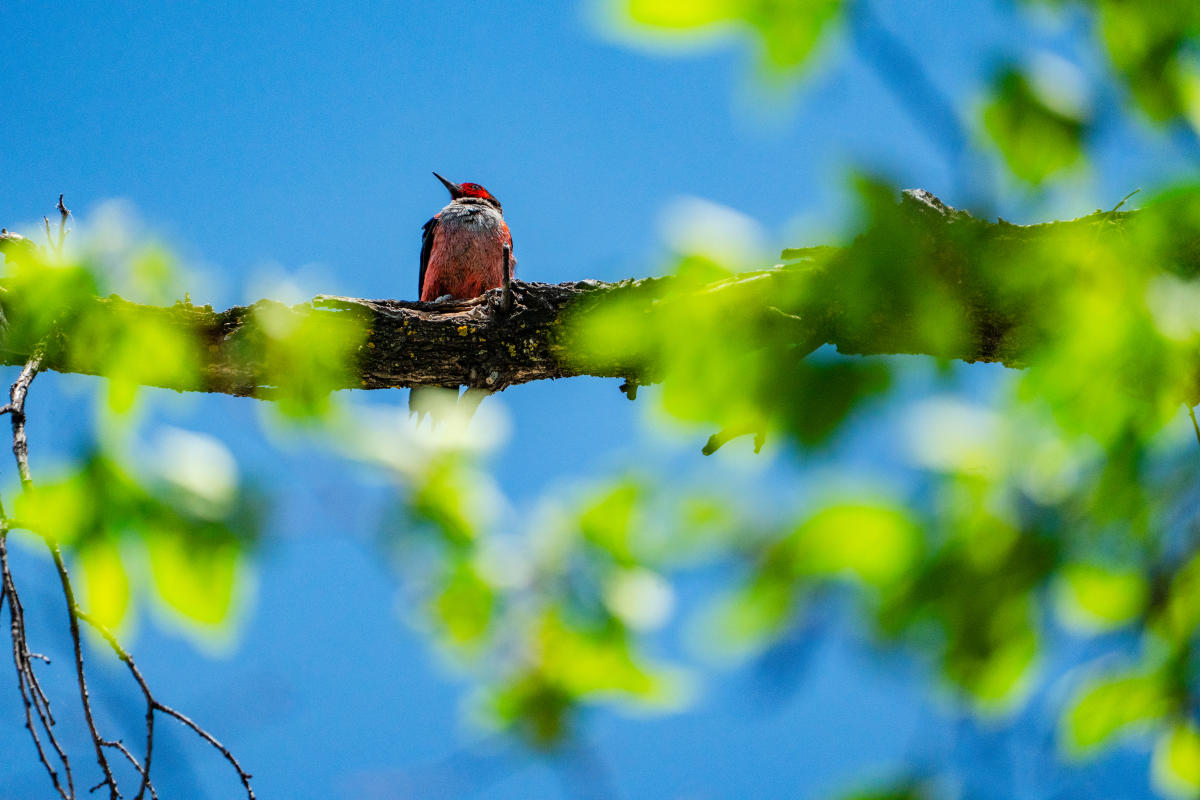
Southwest Colorado offers one of the better opportunities in the state to spot the elusive Lewis’s Woodpecker. Unlike other woodpeckers, they don’t move with frantic energy. They glide and sometimes don’t look like a woodpecker at first glance.
In spring, early summer, and fall, birds migrate through Colorado, making bird watching in Durango a surprise every time you go out. Maybe one evening you see a buzzing, Black-Chinned Hummingbird and the next a bright Western Tanager.
High Elevation Happenings
By afternoon, you might find yourself enjoying an alpine PB&J on Engineer Mountain Trail or on the banks of Molas Lake. Stellar’s Jays scream around your campground while Clark’s Nutcrackers maneuver through spruce-fir forests.
As the sun sets and you snuggle into your tent for the night, you may hear the faint hoots of a Boreal Owl just waking up. These elusive birds are notoriously difficult to find and are a sought-after sighting for birders in Southwest Colorado.
Closures, Seasonal Considerations, and Tips
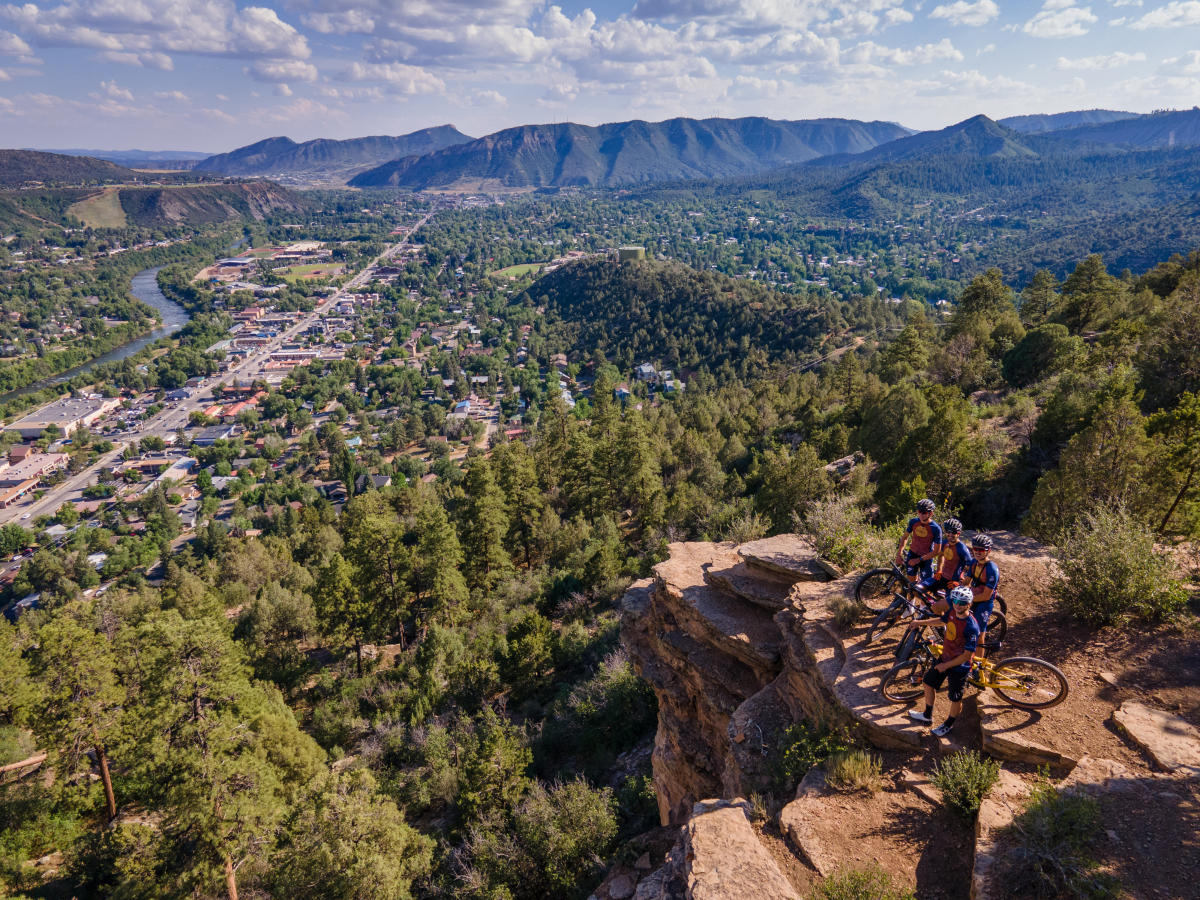 Before you get suited up with your binoculars and books, check online to ensure the birding spot is open. During migration seasons popular viewing spots such as upper Animas Mountain (8,189 feet) and Perins Peak (8,353 feet) are closed to protect migrating birds.
During the rainy season, popular birding spots might be muddy and unusable. Respecting trail conditions during your Big Year helps maintain birding hotspots for future birders. Plan your visit during such as autumn or spring. It is the best time for birding and for visiting Durango during off-peak season. When the leaves are falling, it’s easy to spot birds!
Durango offers something increasingly rare: space. Much of the best birding here happens on quiet trails, gravel roads, and pull-outs where the loudest sound is the wind through the cottonwoods. Chasing that Big Year can be exciting and fast-paced. Instead of going from hotspot to hotspot, try slowing down and listening to the birds.
More Than a Checklist
After a while, a Big Year in Durango goes from searching to stopping.
Between the river trail and mountain meadows, you will find yourself realizing the real reward isn’t the checklist. You may stop and pause while standing on the shore of a reservoir, while above an Osprey dives down, snatching a fish from the water. You might hear a flock of Great Blue Herons before they land. Or spot that Rose-breasted Grosbeak you read about in your guide.
What makes birding in Durango special is the beauty of the birds that call Durango home. One day, you might see thirty-one different species, and the next catch that rare bird sighting right outside your front door.
In this corner of the state, going after that Big Year connects you to the landscape of the region and asks you to take it all in.