The Land Holds History
Some places can tell many stories at once.
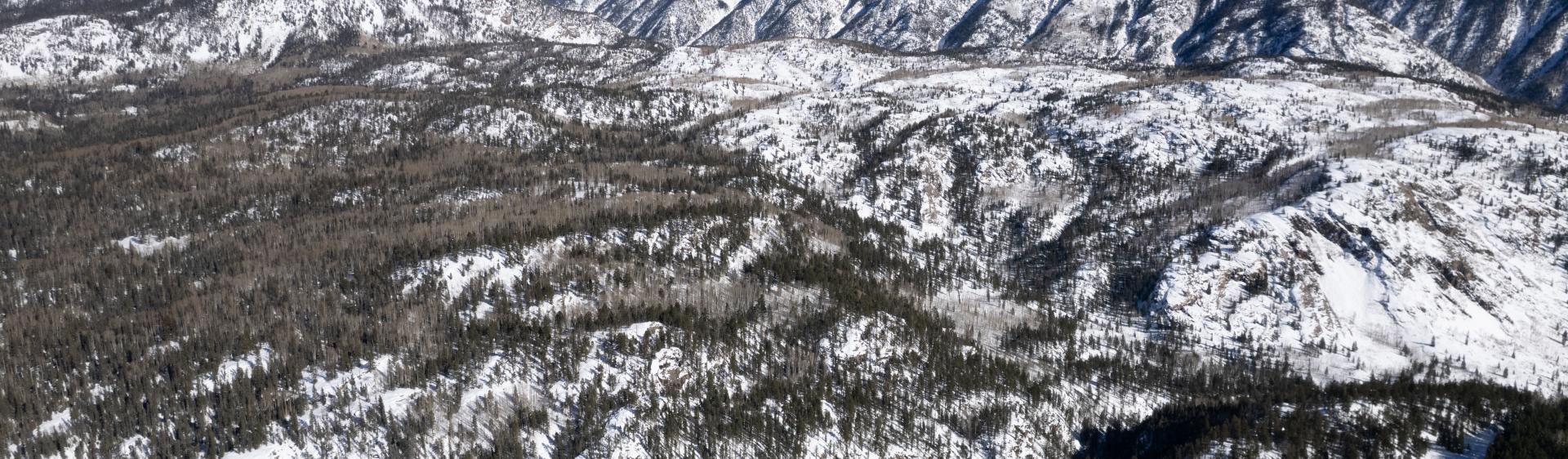
West of Durango just below the La Plata Mountains sits the Old Fort in Hesperus, Colorado. The property has served as a military post, a federal Indian Boarding School, an agricultural high school, a college campus, and today, a working educational farm. Each chapter of the Old Fort has shaped the land itself and the communities connected to it.
When you visit the Old Fort today, you encounter more than a historic site. This now bustling farm and outdoor education hub is a physical reminder of the past and a hopeful example for the future. Here, stories of Indigenous homelands, agricultural traditions, resilience, and community action are rooted deep into the land.
Today, visitors can tour the farm, buy produce grown on site, and experience a place that continues to evolve while honoring the stories of those who shaped it.
Before the Fort
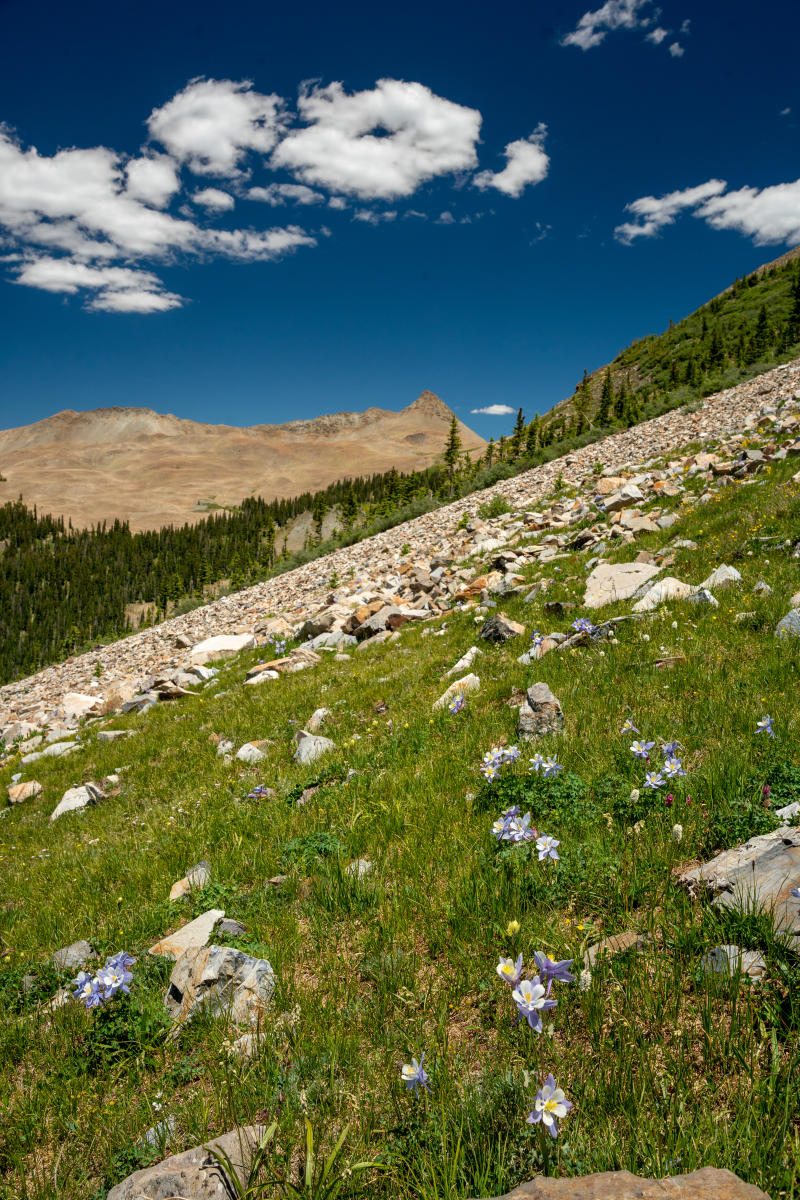
For thousands of years Indigenous peoples lived throughout what is now Southwest Colorado. The valleys, mesas, winding rivers, and mountains surrounding Hesperus form a landscape connected to the ancestors of today’s Pueblo peoples, including the Nuuchiu/Ute, Jicarilla Apache, Pueblos of New Mexico, Hopi, and Diné Nations.
Nearby cultural sites like Chaco Culture National Historical Park and Mesa Verde National Park are a reminder that the Four Corners region has long been a place of community, movement, ceremony, agriculture, and exchange. It was a region full of thriving villages, ceremonial sites, trading hubs, and extensive trade networks that were here long before Colorado became a state.
Why is it Called the Old Fort?
Established in 1878, the Old Fort began as Fort Lewis, a military post built during a period of colonization and conflict in the American West. Though it was only around from 1880-1891, the fort played a significant role in the establishment of the U.S. federal government in Southwest Colorado.
Confronting a Difficult History
From 1892 to 1909, the site operated as the Fort Lewis Indian boarding school, part of a broader federal system designed to assimilate Indigenous children and suppress Indigenous languages, cultures, and ways of life.
Today, Fort Lewis College (FLC), tribal nations, and community partners are engaged in ongoing reconciliation efforts to better understand this history and create space for healing and dialogue.
FLC has woven these reconciliation efforts into their framework and are centering Indigenous knowledge through cultural programs on farming at the Old Fort. Rather than turning away from this past, the work at the Old Fort is working to acknowledge it and turn the land into a community center for all through farming focused on Indigenous planting practices like the “Three Sisters” method.
A Place of Education
In the early 20th century, the property became home to the Fort Lewis High School and then a two-year college, which would eventually evolve into Fort Lewis College. As a two-year college the Old Fort was a place where students could choose from courses in agriculture, forestry, veterinary science, and more.
During its time as a high school and college the property served as a place where generations of students learned, worked, and contributed to the growth of Southwest Colorado.
Community, Stewardship, and a New Chapter
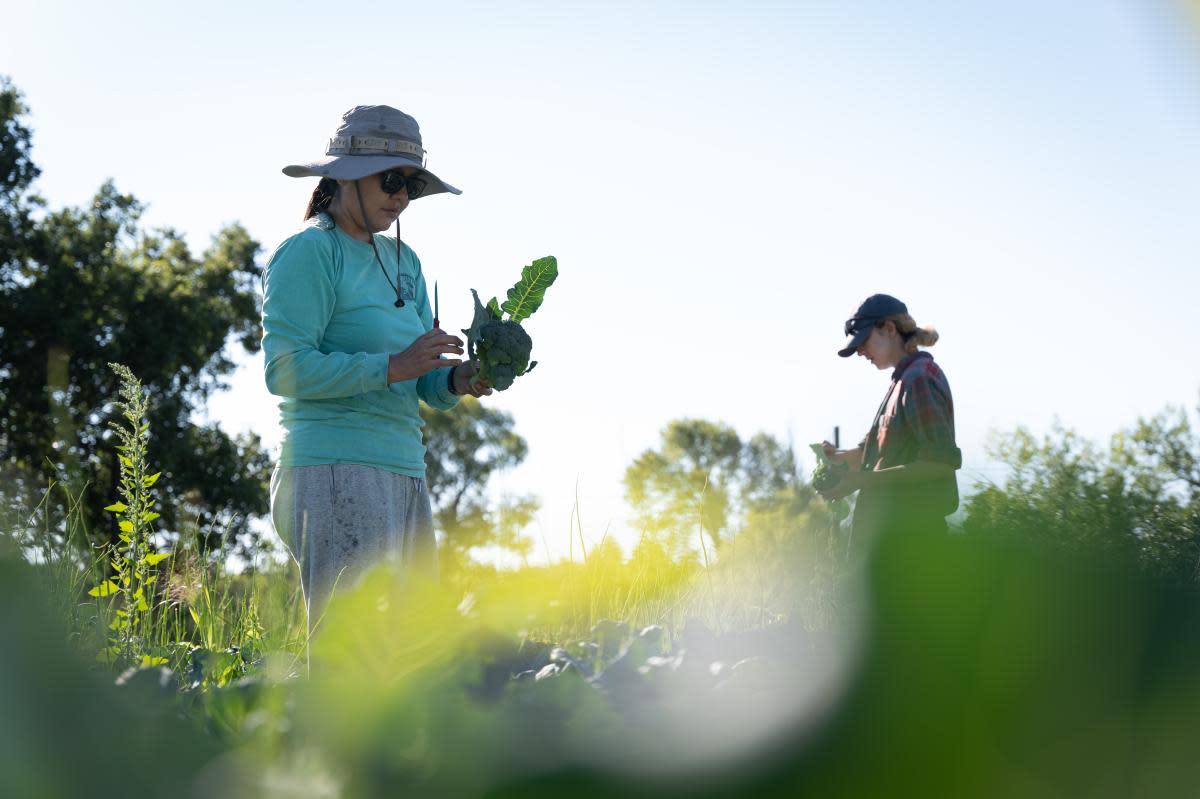
Looking out from the Old Fort mesa you see the endless possibilities of an educational ecosystem bustling with cattle, sprouting veggies, and dedicated stewards of the land.
Now, the Old Fort is a working educational farm where visitors can experience regenerative agriculture firsthand. Community is woven into programs at the Old Fort with educational experiences like their Farmers-in-Training (FIT) program and Incubator Program. These along with other educational opportunities like farming courses are meant to support aspiring and beginning farmers looking to start a career in agriculture. At the Old Fort education doesn’t stay in the classroom, it takes shape in the fields where farmers learn new growing techniques and ranch hands stay up late to help with calving.
It doesn’t stop in the growing fields; the Old Fort also has a Ranching Apprenticeship that offers hands-on learning and experience working with the organization’s herd of cattle. Programs like FIT and the Ranching Apprenticeship offer to young farmers and ranchers the opportunity to grow their knowledge through low-cost classes, paid positions, and hands-on opportunities.
Step into the Future of the Old Fort
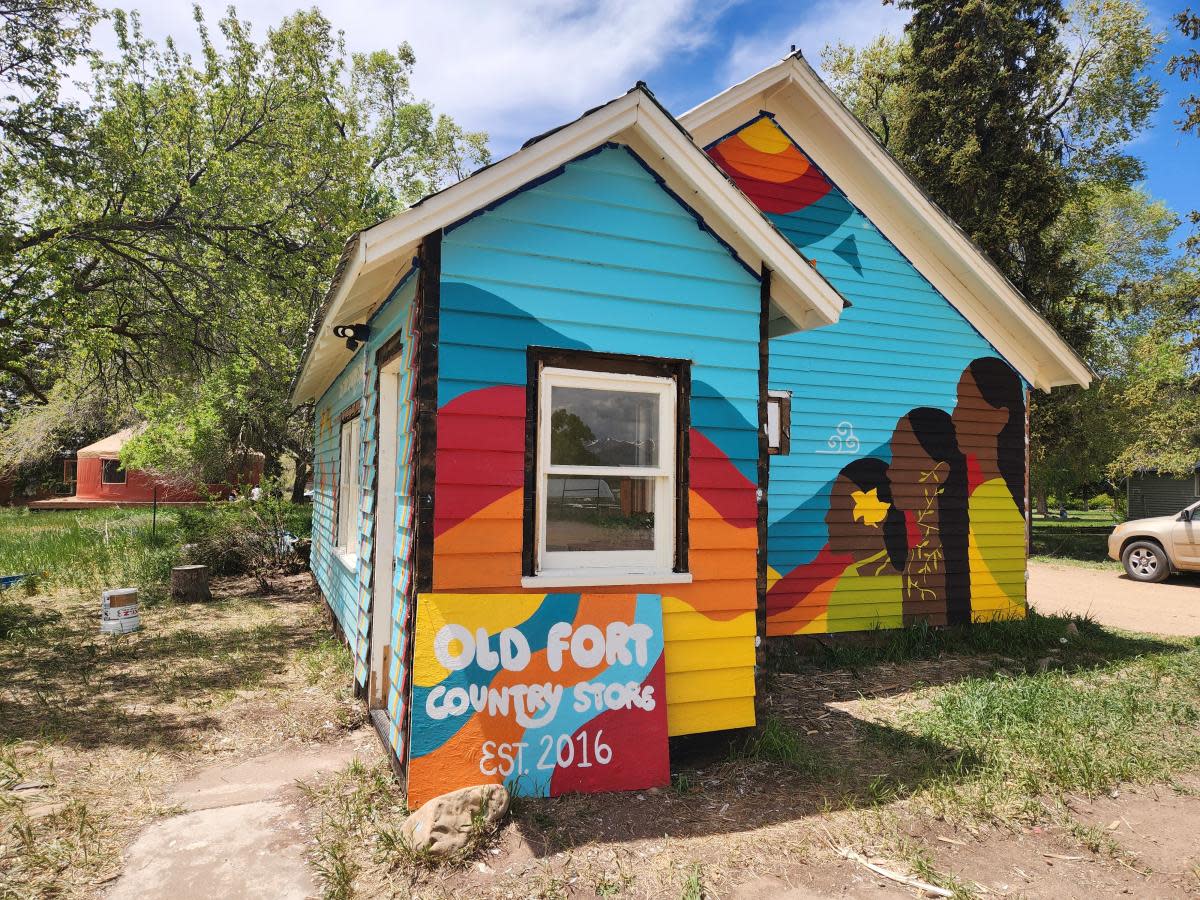
At the Old Fort, history is not confined to a museum display, it’s visible in the fields, irrigation ditches, buildings, and high-desert landscape.
Visitors to the Old Fort can now participate in summer field tours that offer a closer look at high-elevation agriculture practices and programs happening on site. Walking the dirt roads and ducking into the greenhouses provides a unique perspective on how Indigenous traditions, farming, education, and conservation intersect in a single place.
Tours are happening on a monthly basis until September and are free, but a donation is suggested.
Can’t make it for a tour but want to learn more? The Old Fort has a Country Store on-site that sells fresh produce, meat, and locally made products. Or if you are staying in Durango, they have a Farm Stand on the Fort Lewis College campus every Wednesday afternoon from July to October. Visit with the farmers at the stand, ask them about what they are up to, and maybe grab some fresh veggies while you are there.
For travelers and locals interested in the history of Durango, agriculture in Colorado, or the Four Corners region, the Old Fort summer tours and Country Store are a chance to see the power that education and community can have on shaping a more informed future.