Getting to Know Durango, One Neighborhood at a Time
Durango is known for its bustling shops on Main Avenue, the historic Durango & Silverton Narrow Gauge Railroad, impressive mountains surrounding town, and its biking culture. Yet, some of the best stories are hidden away in its neighborhoods, where historic homes, gathering places, and everyday life offer a different perspective on the town.
Welcome to Will You Be My Neighbor?, a new series inviting locals and visitors to get to know Durango one neighborhood at a time. Along the way, you’ll wander through historic streets, discover local landmarks, and learn how each neighborhood has helped shape Durango into the community it is today.
First up? The Grid!
 What is the Grid?
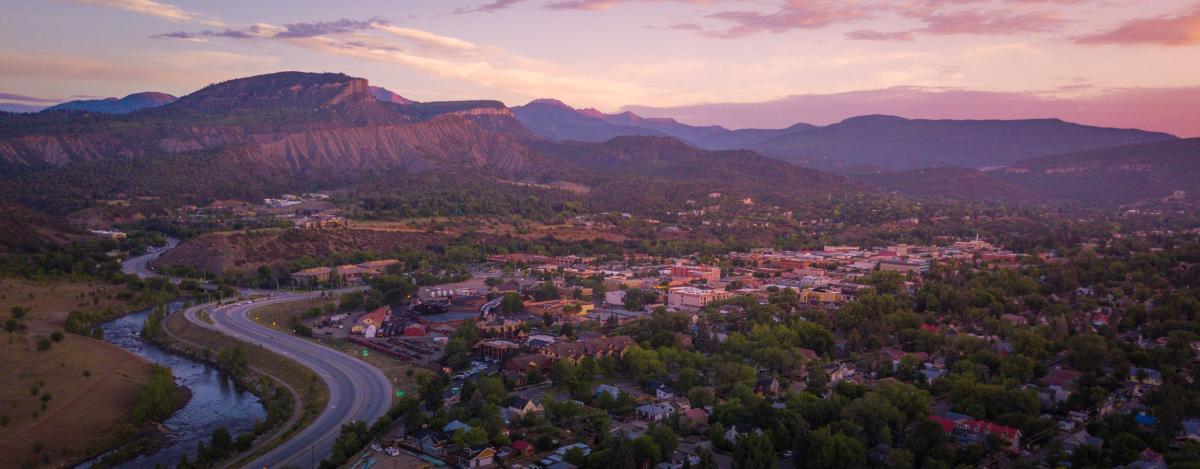
You can learn a lot about Durango by walking down Main Avenue. But turn east onto one of the neighborhood streets, and you'll discover the Grid. Named for its neatly arranged streets and avenues, the Grid is full of historic homes, vibrant flowers in the summer, and leaf-covered sidewalks in the fall.
Depending on the time of day, you might pass a cyclist pedaling downtown, a Fort Lewis College student walking to campus, or a longtime resident tending a bountiful garden. It's a neighborhood where Durango's charm shines through and you find the past doesn’t outshine the present.
A Walk Through the Grid's History
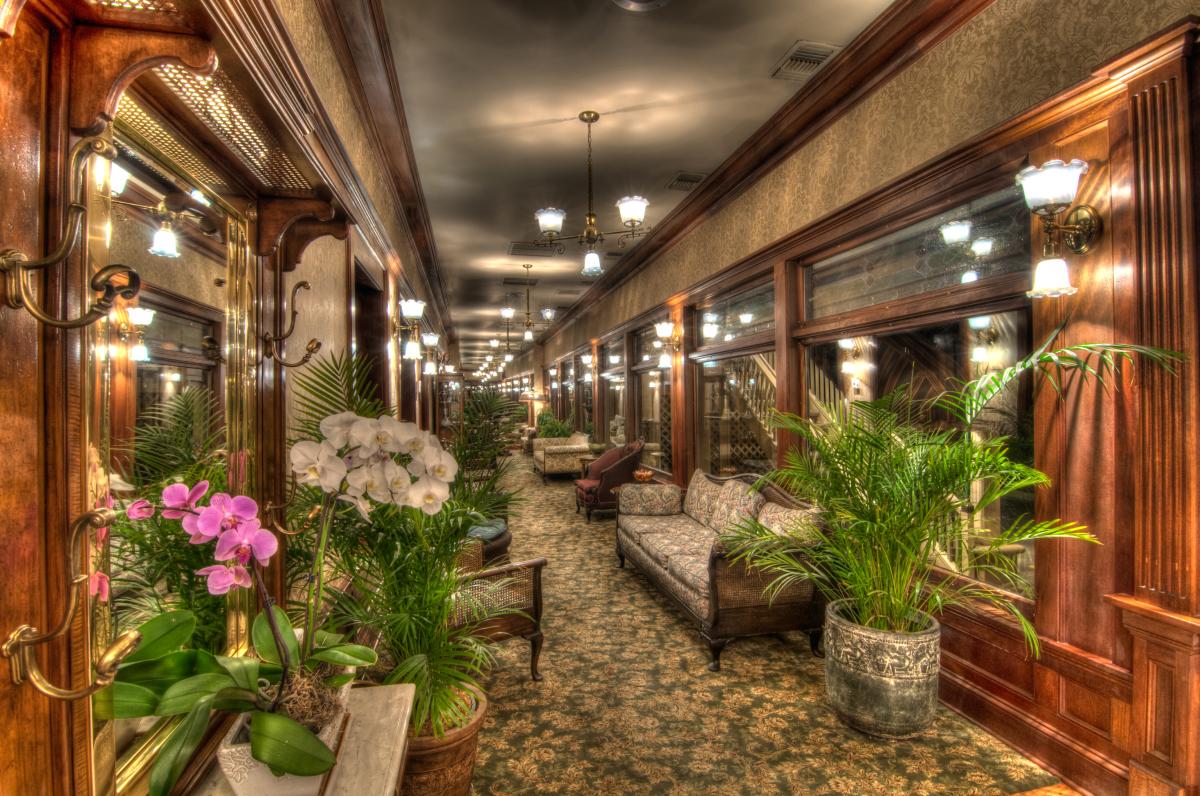
The Grid's story begins in 1880, when Durango was little more than a planned railroad town. Denver & Rio Grande Railroad president William Jackson Palmer, who built the General Palmer Hotel, and his partner William A. Bell envisioned a town with residential neighborhoods situated uphill from the commercial businesses and railroad activity below.
For a wonderful walking resource, bring along the Animas Museum's self-guided Third Avenue walking tour. Just remember that these historic homes are private residences, so enjoy the architecture from the sidewalk.
East Third Avenue, originally called "The Boulevard," was designed as a grand residential street, complete with a grassy, tree-lined median and wide lanes for horse-drawn carriages. As Durango grew, prominent figures including railroad contractor Peter Keegan, banker A.P. Camp, grocer Walter Weightman, businessman Charles Newman, and Colorado politician Adair Wilson, called Third Avenue home.
The neighborhood quickly became a showcase of architectural styles. Third Avenue is known for Ornate Queen Anne Victorians that appear seamlessly alongside Colonial Revival homes, charming cottages, and other designs popular during the late 1800s and early 1900s.
Of course, life in early Durango wasn't quite as polished as the neighborhood looks today. According to the Animas Museum's historic walking tour, one longtime resident remembered watching a neighbor chase cows out of her yard every day. Even in its earliest days, the Grid was home to a mix of personalities and backgrounds, from prominent businessmen to working-class families.
The Grid also witnessed some of Durango's most defining moments, including the devastating fire on July 1, 1889, which destroyed many wooden homes and churches along Third Avenue. A handful of buildings and houses along East Third Avenue survived and still stand today as some of the oldest structures in Durango.
In 1984, the East Third Avenue Historic Residential District was added to the National Register of Historic Places, recognizing the neighborhood's architectural and historical significance.
Life on the Grid Today

More than 140 years later, the Grid is still one of Durango's most recognizable neighborhoods, but it's the people who give it character. Mountain bikers pedal by on their way to the trails, Fort Lewis College students head downtown to grab a coffee at Durango Coffee Company, and longtime resident’s catchup on the sidewalks. There's a little bit of everything here, from colorful, free-spirited yards and quirky fairy gardens to meticulously maintained Victorian homes.
The sidewalks, shady trees, and front porches encourage neighbors to slow down and connect, while the nearby happenings of downtown Durango and the college keep the neighborhood active. History is everywhere, but its everyday life is what makes the Grid feel alive.
What to See and Do Around the Grid
The best way to get to know the Grid is simply to start walking. East Third Avenue near the Smiley Building, which was once a junior high school but is now an art collective, cafe, and hub for local businesses, is a great place to begin. Look for the Queen Anne brickwork and intricate porch details at 670 East Third Avenue, or the elaborate woodwork of the 1898 home at 1020 East Third Avenue. St. Mark's Episcopal Church, built in 1891, is another neighborhood landmark worth admiring.
For a taste of Durango’s active side try the Sky Steps, where college students, trail runners, and ambitious walkers tackle climb 529 steps toward Fort Lewis College. From the campus, connect with the Rim Trail for views overlooking downtown Durango and the La Plata Mountains.
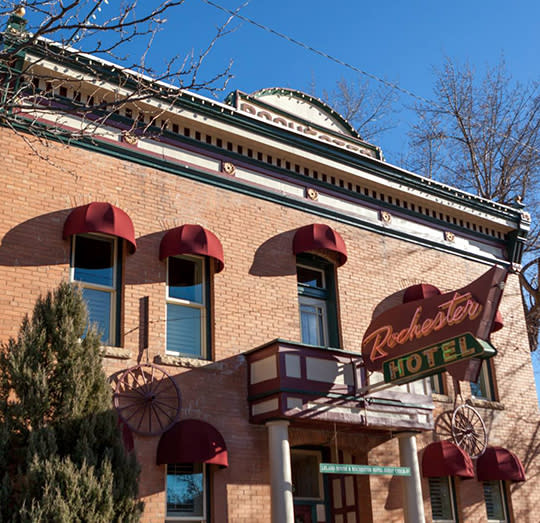
If you want to immerse yourself in the neighborhood, the historic Gable House Inn offers a charming Victorian lodging experience right in the heartbeat of things. Nearby on Second Avenue, the Rochester Hotel and Leland House also make convenient home bases for exploring downtown and the Grid on foot.
Every Block Has a Story
The Grid is at the heart of Durango’s character. Historic Victorian homes stand alongside colorful flower beds, cyclists share the streets with afternoon dog walkers, and generations of locals have left their mark on the neighborhood. Walking the Grid is more than admiring old houses, it’s an opportunity to strike up a conversation with someone on the sidewalk, see the people that make this place so awesome, and get outside.
For a deeper look into the neighborhood’s past, visit the Animas Museum, then take what you've learned on a stroll through the Grid. And with so many neighborhoods to discover, there's plenty more to come in Will You Be My Neighbor?