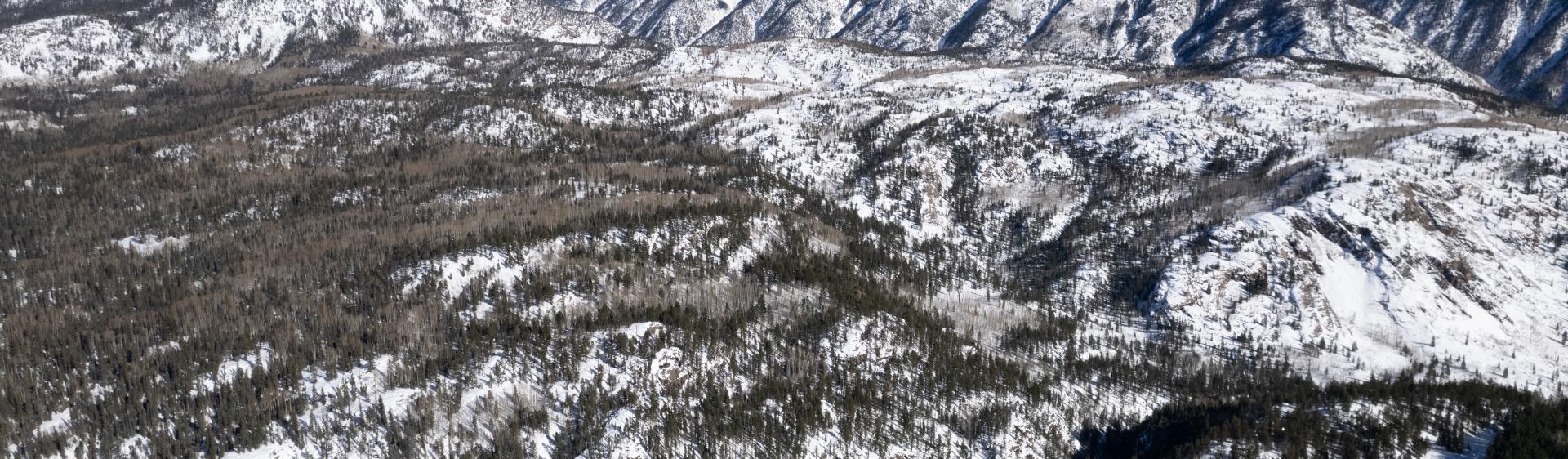
If you’ve spent any time in Durango, you’ve probably felt it, that sense that this place has stories layered deep in the ground. This spring, you can step right into one of those stories at the Animas Museum, where a new exhibit traces one of the most rugged trade routes in American history.
Discover the Old Spanish Trail
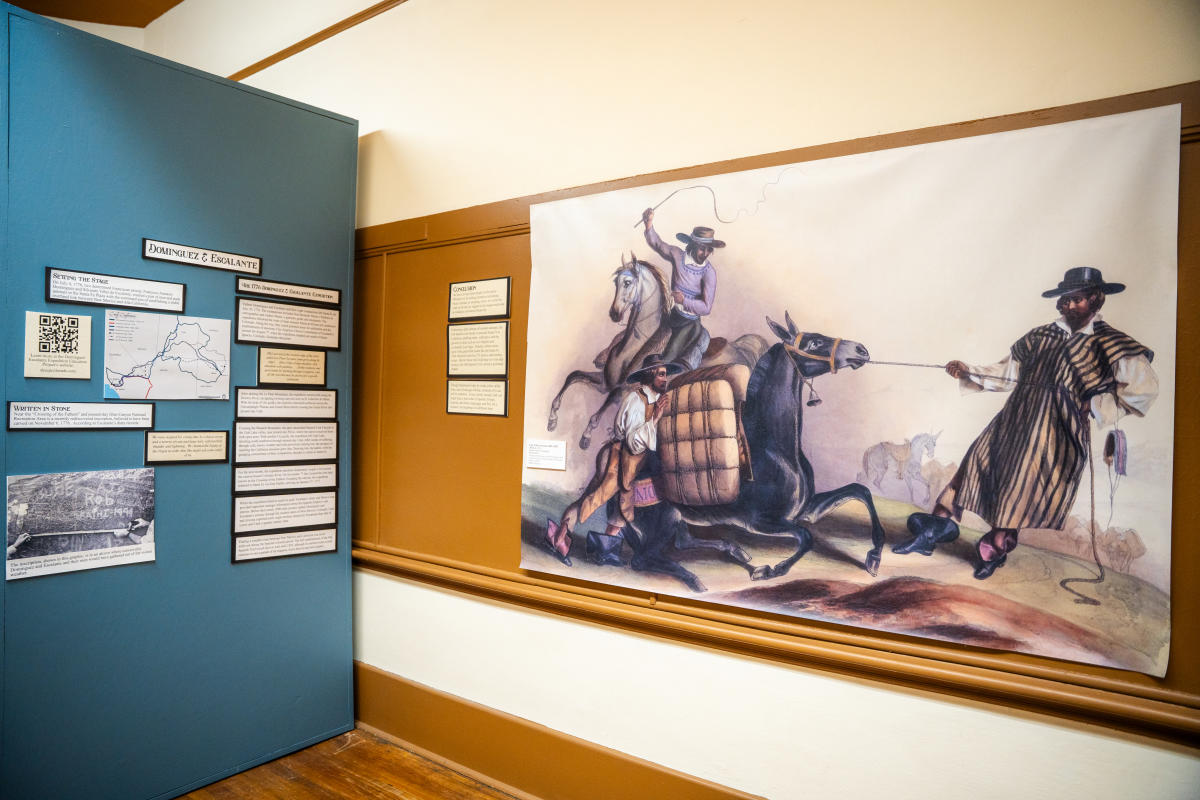
In partnership with the Old Spanish Trail Association and the Durango & Silverton Narrow Gauge Railroad, the museum is hosting The Old Spanish Trail – Connecting a Network of Paths through May 9.
The exhibit centers on a trade route established in 1829 by Antonio Armijo, stretching from Santa Fe to Los Angeles. It wasn’t a straight shot by any means. In fact, it earned a reputation as the “longest, crookedest, most arduous pack mule train in the history of America.” That kind of trip wasn’t for the faint of heart, and it still gives you a sense of just how tough travel used to be out here.
A Crossroads of Cultures
What makes this exhibit worth your time isn’t just the route itself but the people behind it. Long before traders started moving goods across the Southwest, these paths were shaped by Indigenous communities, including Puebloans, Utes, and Navajos. Later, Spanish and Mexican traders added their own layers to the story.
The Old Spanish Trail wasn’t just a line on a map. It was a meeting point, where cultures, economies, and ways of life all came together in ways that weren’t always simple. You can feel that as you move through the exhibit, reading through the panels and seeing how it all connects.
Trade, Travel, and a Complicated History
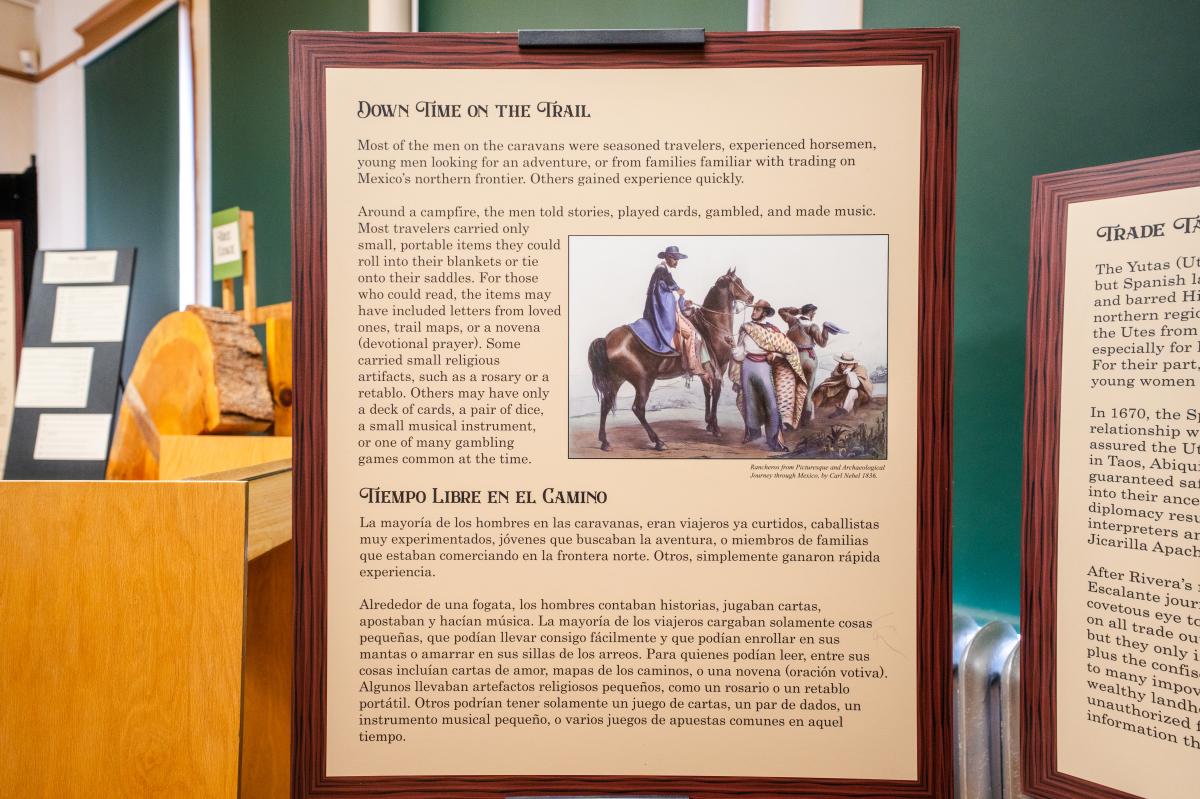
Goods moved both directions along the trail, and not lightly. Horses and mules came east from California, while wool textiles traveled west from New Mexico. Everything was packed in and out by mule, across terrain that could be rough, dry, and unforgiving.
There’s also a harder truth told here. The trail played a role in the forced movement of enslaved people, who were traded and transported into domestic servitude. It’s part of the story that shouldn’t be skipped over, even if it’s uncomfortable.
The name “Old Spanish Trail” didn’t show up until 1844, when explorer John C. Frémont gave it that label. At the time, it wasn’t especially old, and it wasn’t purely Spanish either. Like most things in the West, it’s a little more layered than the name lets on.
Pieces That Tell a Story
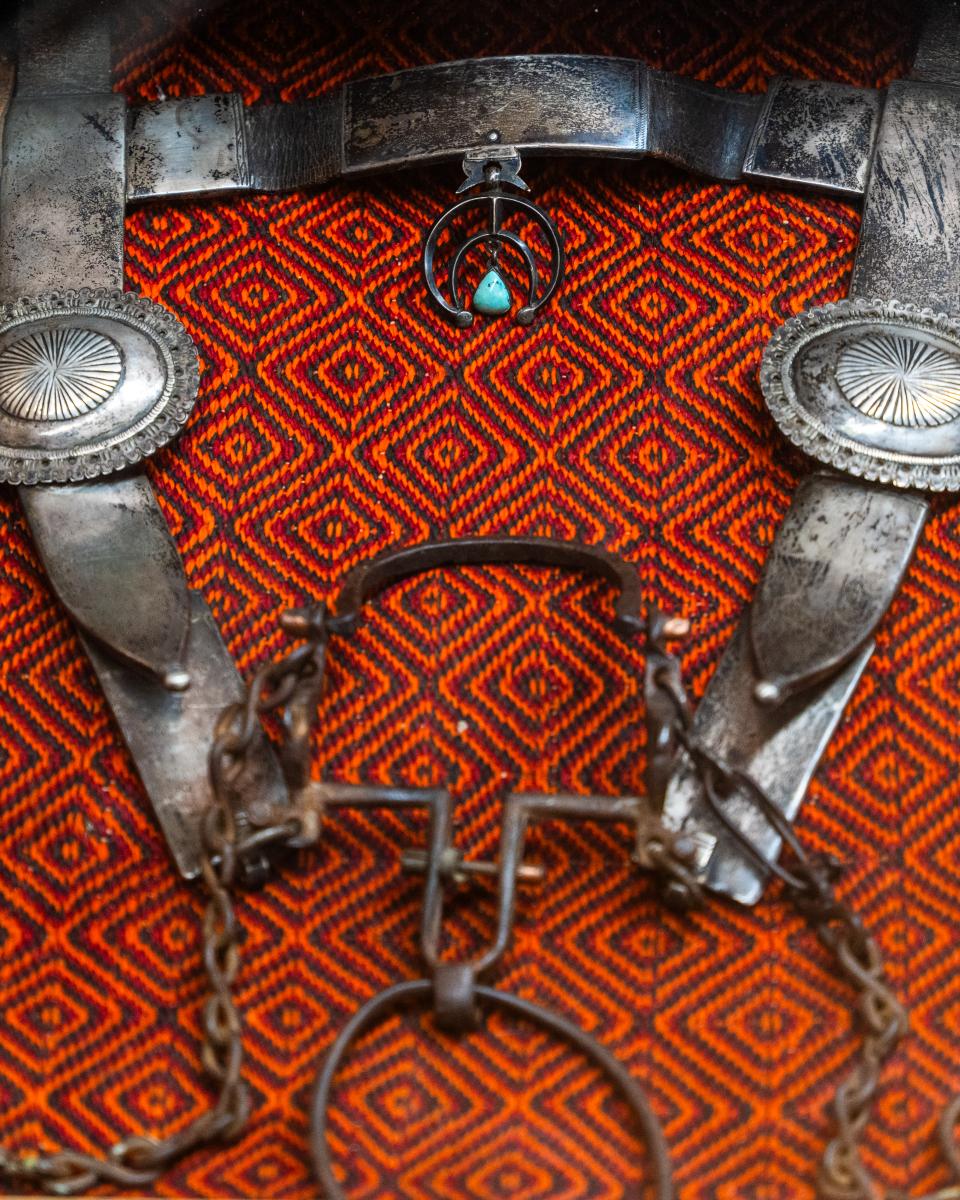
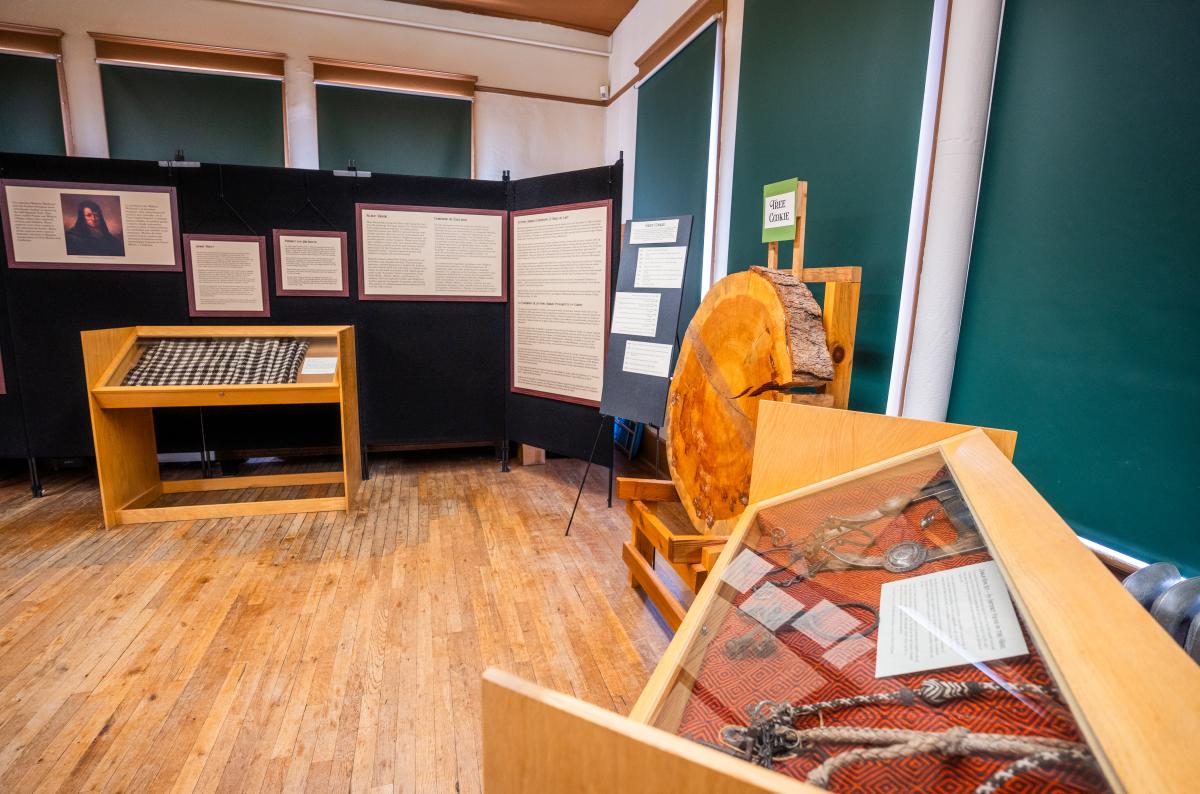
This isn’t just a wall of text. The exhibit brings the story to life with real objects you can stand in front of and take your time with.
You’ll find Spanish colonial and Mexican spurs, a Mexican ring bit, and a piece of twill-woven jerga that would’ve been right at home on the trail. One of the more interesting pieces is a rare Navajo ring bit discovered on Blue Mesa, just outside Durango. It’s the kind of thing that makes the past feel close, not far off in some history book.
A Traveling Exhibit with Local Roots
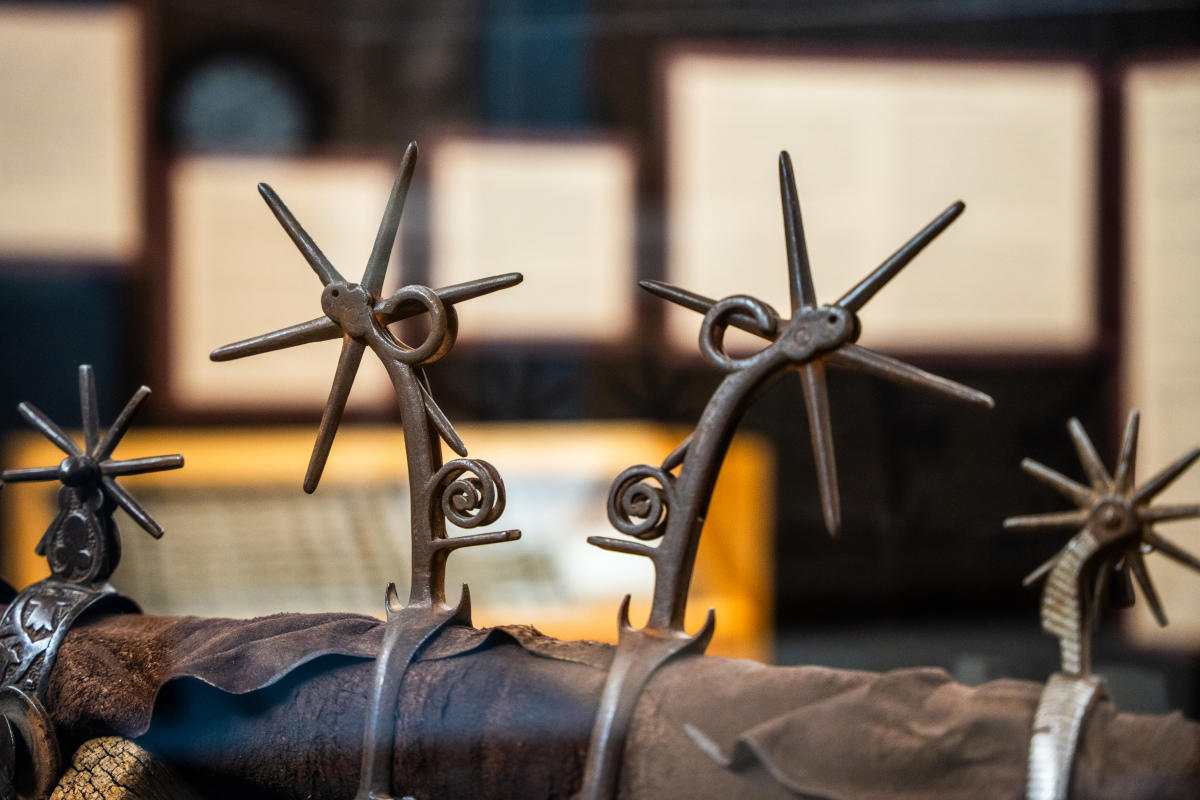
This exhibit originally came from the Nevada State Museum, another stop along the trail’s northern route. When it wrapped up there, it made its way to Durango through a partnership with regional groups and local historians.
Curators here adapted it for the Animas Museum’s Ballantine Gallery, tying the bigger story back to this part of Colorado. That local connection makes it feel less like something passing through and more like something that belongs here.
Plan Your Visit
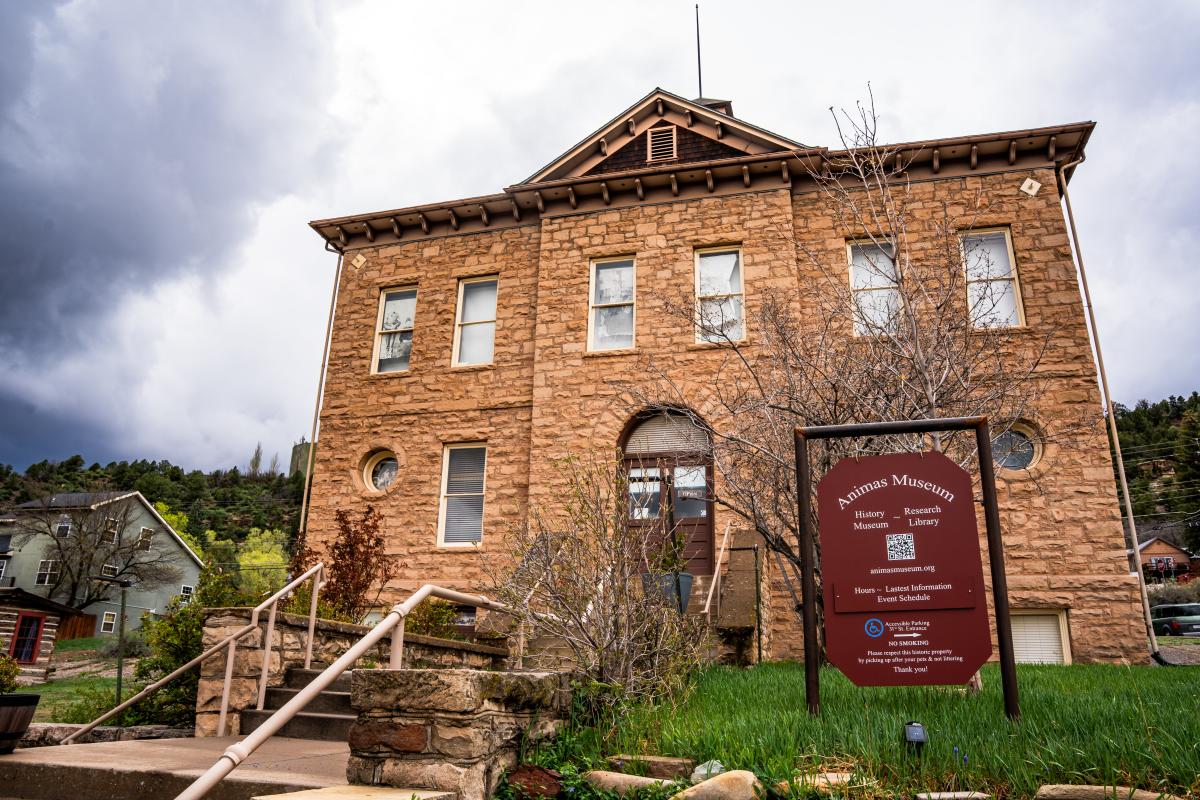
If you’re looking for something a little different, something that gives you a better sense of where you are and what came before, this is worth your time. It’s not flashy, but it sticks with you in a good way.
The exhibit runs through May 9 at the Animas Museum. For hours and more information, head over to animasmuseum.org.
Take your time with it. Walk slowly, read a little, look around. You’ll leave with a better understanding of this region and the people who moved through it, and maybe a little more respect for the ground you’re standing on.